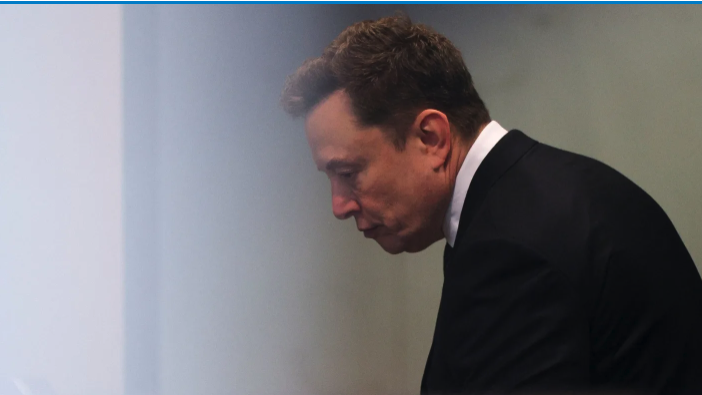
The $2 billion-plus deal for Manus is being reversed as Beijing intensifies scrutiny of foreign involvement in advanced technologies.
Meta Platforms is preparing to dismantle its multibillion-dollar acquisition of artificial intelligence startup Manus after Chinese regulators intervened, citing national security concerns and ordering the deal to be reversed within weeks.
The move marks a significant setback for Meta as it attempts to expand its footprint in artificial intelligence. According to a report by the Wall Street Journal, Chinese authorities have directed the U.S. tech company to unwind the deal, which was valued at more than $2 billion, amid growing scrutiny over foreign investment in sensitive technology sectors.
Beijing has reportedly set an initial deadline of several weeks for Meta and Manus to fully reverse the transaction. This includes restoring the startup’s Chinese assets to their prior state and removing any data or proprietary technology that may have been transferred during the acquisition process.
The intervention underscores China’s increasingly firm stance on protecting domestic innovation, particularly in areas considered strategically important such as artificial intelligence. Regulators have also indicated that penalties could be imposed on both companies if the unwinding process is not completed to their satisfaction.
Manus, a Singapore-based AI firm, had attracted backing from several prominent investors. According to the report, some of those investors—including venture capital firm Benchmark—have already received returns following the acquisition. Meanwhile, other stakeholders in Asia, such as Tencent, HSG, and ZhenFund, are expected to coordinate their response if Meta proceeds with reversing the deal.
The Chinese government’s decision follows an investigation launched earlier this year by the country’s commerce ministry. The probe began shortly after Meta finalized the acquisition, signaling early concerns about the implications of the transaction.
Neither Meta nor Manus immediately commented on the situation in response to inquiries.
The timing of the dispute adds a geopolitical dimension, coming just weeks before a planned meeting in Beijing between U.S. President Donald Trump and Chinese President Xi Jinping. The development may further complicate already sensitive economic and technological relations between the two countries.
The forced reversal of Meta’s acquisition highlights the challenges global technology companies face when navigating regulatory environments shaped by national security priorities. As governments increasingly assert control over emerging technologies, cross-border deals in sectors like artificial intelligence are likely to face heightened scrutiny and uncertainty.
This situation reflects a broader shift in how countries view technological sovereignty. Deals that once seemed purely commercial are now deeply tied to national strategy and security. For companies like Meta, expanding globally in AI may become as much a diplomatic challenge as a business one.
#Meta, #ArtificialIntelligence, #ChinaTech, #USChinaRelations, #TechNews, #AIStartups, #GlobalBusiness, #NationalSecurity, #Tencent, #Innovation