White House officials remain divided as negotiations stall over Tehran’s refusal to address its nuclear program.
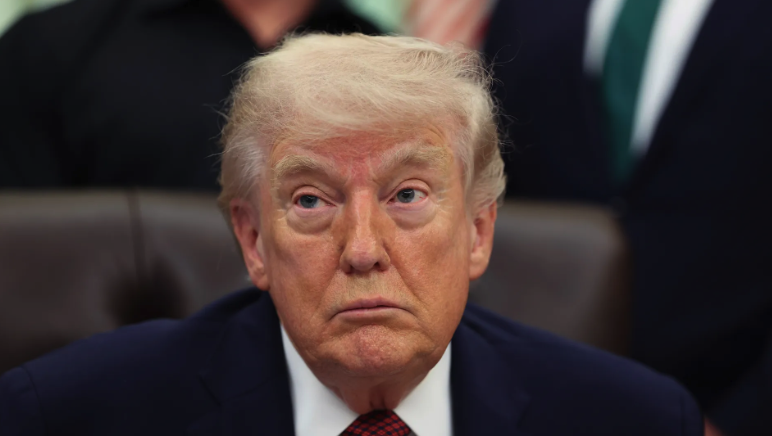
President Donald Trump has declined to support Iran’s latest proposal aimed at reopening the strategically vital Strait of Hormuz and easing ongoing hostilities, signaling continued deadlock over Tehran’s nuclear ambitions.
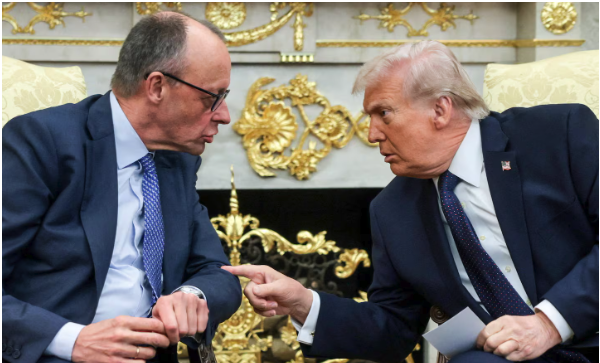
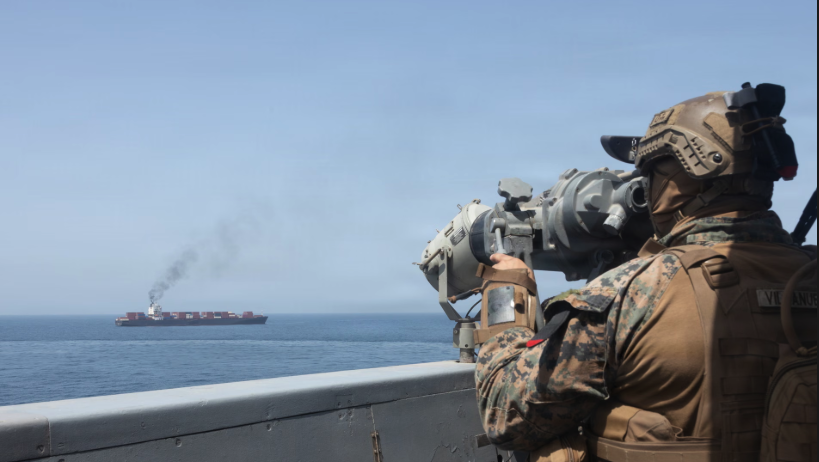
According to officials familiar with internal deliberations, Trump reviewed the proposal with senior advisers during a White House Situation Room meeting on Monday but expressed dissatisfaction with its terms. The Iranian plan called for reopening the narrow maritime corridor—critical for global oil shipments—and ending the conflict, while also urging the United States to lift its naval blockade.
However, the proposal notably avoided addressing the future of Iran’s nuclear program, a central sticking point in negotiations. U.S. officials have repeatedly insisted that any agreement must include limits on Tehran’s ability to enrich uranium and develop nuclear weapons capabilities.
The White House has not publicly detailed Trump’s objections, but officials emphasized that discussions are ongoing. “The United States will not negotiate through the press,” said spokesperson Olivia Wales, adding that the administration remains committed to securing an agreement that aligns with its strategic priorities.
Iran has consistently resisted U.S. demands to scale back its nuclear activities or relinquish its stockpile of highly enriched uranium. This impasse has complicated efforts to reach a broader settlement, even as both sides face mounting economic and geopolitical pressure.
The latest proposal was delivered by Iranian Foreign Minister Abbas Araghchi during a visit to Pakistan. It followed an earlier offer that Trump rejected last week, prompting the cancellation of planned peace talks in Islamabad.
Within the administration, debate continues over how to respond. Some officials argue that maintaining the blockade for several more months could severely damage Iran’s energy sector, potentially forcing concessions. Oil infrastructure, they note, is not designed for prolonged shutdowns and could suffer costly long-term damage.
Others, however, question that assessment, pointing to signs that Iran’s leadership has hardened its stance. Analysts within the government believe negotiators lack authority from senior figures, including the country’s supreme leadership and the Islamic Revolutionary Guard Corps, to make meaningful compromises.
The dispute also extends to maritime policy. Iranian officials have suggested that any agreement to reopen the strait should allow Tehran to impose fees on vessels passing through. Historically, the United States has opposed such restrictions, arguing they violate principles of free navigation in international waters.
Trump himself has voiced frustration with Iran’s internal divisions, suggesting leadership struggles are hindering negotiations. In recent public remarks, he described ongoing tensions between political factions in Tehran as chaotic and counterproductive.
The stakes remain high. The closure of the Strait of Hormuz has disrupted global oil flows, increasing volatility in energy markets and raising concerns among international stakeholders. A deal to reopen the waterway could provide short-term relief, but without progress on the nuclear issue, a lasting resolution appears unlikely.
“The United States will not negotiate through the press — we have been clear about our red lines,” White House spokesperson Olivia Wales said, emphasizing that any agreement must serve both American and global interests.
“Iran is struggling to determine its leadership direction,” Trump said in a recent social media post, pointing to divisions between competing factions within the country.
As negotiations continue, the gap between Washington and Tehran remains wide. While reopening the Strait of Hormuz could ease immediate economic pressures, the unresolved dispute over Iran’s nuclear program continues to overshadow diplomatic efforts. For now, both sides appear entrenched, with no clear path to a comprehensive agreement.
This standoff highlights how deeply interconnected security, economics, and diplomacy have become in modern geopolitics. Even seemingly practical solutions—like reopening a key shipping route—can stall when larger strategic issues remain unresolved. The coming weeks will likely test whether either side is willing to shift its position.
#DonaldTrump, #Iran, #StraitOfHormuz, #Geopolitics, #USIran, #OilMarkets, #NuclearDeal, #MiddleEast, #GlobalEconomy, #ForeignPolicy