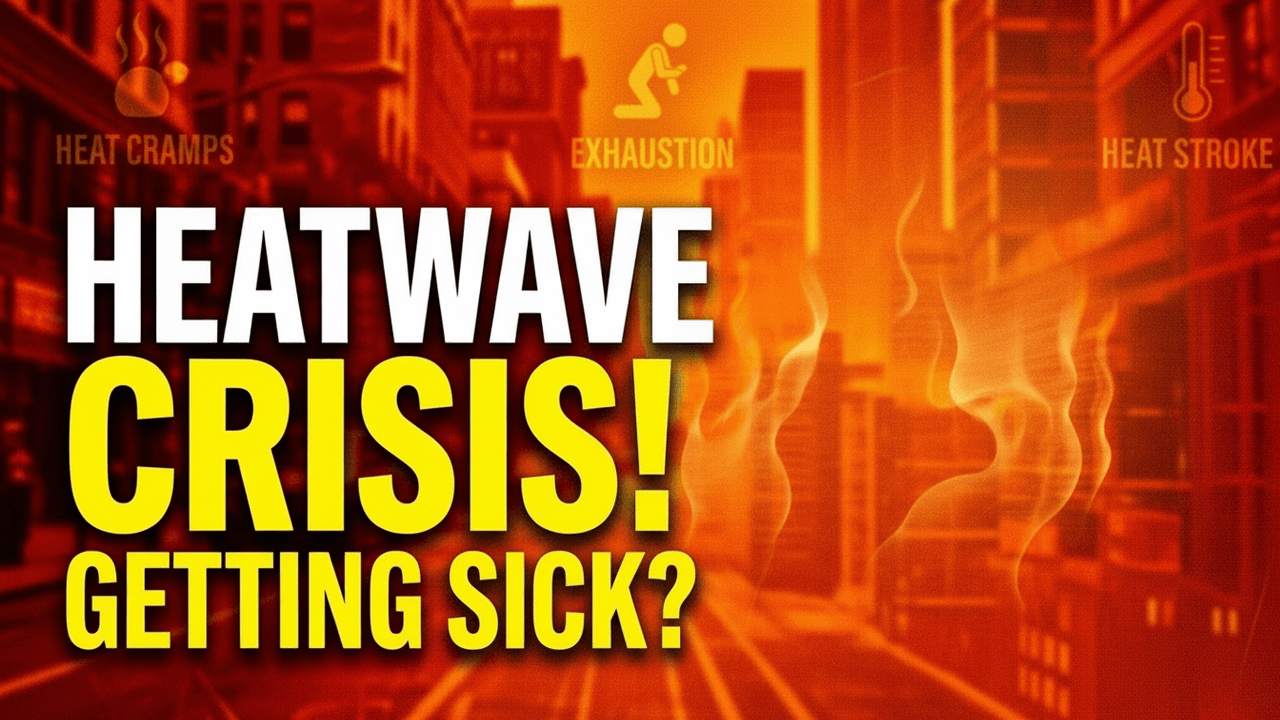
As temperatures rise during hot seasons, heat-related illnesses become a growing health concern around the world. Prolonged exposure to high temperatures, especially when combined with humidity and dehydration, can place serious stress on the human body. Without proper precautions, heat-related conditions can range from mild discomfort to life-threatening emergencies.
Understanding the symptoms, prevention methods, and available treatments is essential for staying safe during extreme heat.
What Is Heat-Related Illness?
Heat-related illness occurs when the body struggles to regulate its temperature in hot environments. Normally, the body cools itself through sweating. However, excessive heat, humidity, dehydration, or physical exertion can overwhelm this cooling system.
Certain groups are especially vulnerable, including:
- Elderly individuals
- Infants and young children
- Outdoor workers
- Athletes
- People with chronic medical conditions
- Individuals without access to cooling or clean water
Heat-related illnesses can develop quickly and should never be ignored.
Common Types of Heat-Related Illness
1. Heat Cramps
Heat cramps are painful muscle spasms caused by excessive sweating and loss of electrolytes such as sodium and potassium.
Symptoms:
- Muscle pain or spasms
- Heavy sweating
- Fatigue
- Thirst
Treatment:
- Move to a cool place
- Drink water or electrolyte beverages
- Rest and gently stretch muscles
- Avoid strenuous activity until recovery
2. Heat Exhaustion
Heat exhaustion occurs when the body loses too much water and salt through sweating.
Symptoms:
- Heavy sweating
- Weakness or fatigue
- Dizziness
- Headache
- Nausea or vomiting
- Cool, pale, or clammy skin
- Rapid pulse
- Fainting
Treatment:
- Move to a shaded or air-conditioned area
- Lie down and elevate legs slightly
- Drink cool water slowly
- Apply cool cloths or take a cool shower
- Remove excess clothing
If symptoms worsen or last longer than one hour, medical attention should be sought.
3. Heat Stroke (Medical Emergency)
Heat stroke is the most serious form of heat-related illness and can become fatal if not treated immediately.
It happens when the body temperature rises above 104°F (40°C) and the body can no longer cool itself.
Symptoms:
- High body temperature
- Hot, red, dry, or damp skin
- Confusion or altered mental state
- Slurred speech
- Seizures
- Loss of consciousness
- Rapid heartbeat
- Severe headache
Emergency Treatment:
- Call emergency medical services immediately
- Move the person to a cooler place
- Use cold cloths, ice packs, or cool water to lower body temperature
- Fan the person continuously
- Do not give fluids if the person is unconscious or confused
Heat stroke requires urgent medical care and can cause damage to the brain, heart, kidneys, and muscles.
How to Prevent Heat-Related Illness
Prevention is the best defense against heat-related conditions.
Stay Hydrated
Drink plenty of water throughout the day, even if you do not feel thirsty. Avoid excessive alcohol, caffeine, and sugary drinks, which can contribute to dehydration.
Avoid Peak Heat Hours
Limit outdoor activities during the hottest part of the day, usually between 10 a.m. and 4 p.m.
Wear Appropriate Clothing
Choose lightweight, loose-fitting, and light-colored clothing to help the body stay cool.
Take Frequent Breaks
Outdoor workers and athletes should rest regularly in shaded or air-conditioned areas.
Use Fans or Air Conditioning
Cooling systems can significantly reduce the risk of heat stress during heat waves.
Never Leave People or Pets in Cars
Temperatures inside vehicles can rise dangerously within minutes, even with windows slightly open.
Monitor Vulnerable Individuals
Check on elderly family members, children, and neighbors during extreme heat conditions.
Foods and Drinks That Help During Hot Weather
Certain foods can support hydration and cooling.
Recommended:
- Watermelon
- Cucumbers
- Oranges
- Coconut water
- Leafy vegetables
- Soups with electrolytes
Avoid Excessive:
- Alcohol
- Energy drinks
- Salty processed foods
- Heavy greasy meals
When to Seek Medical Help
Medical attention should be sought immediately if someone experiences:
- Confusion
- Difficulty breathing
- Chest pain
- Seizures
- Unconsciousness
- Persistent vomiting
- Extremely high body temperature
Delaying treatment can lead to severe complications or death.
Final Thoughts
Heat-related illnesses are preventable, yet they continue to affect millions of people every year during periods of extreme heat. Awareness, hydration, and quick action are key to staying safe.
As climate conditions become more intense in many parts of the world, understanding how to recognize and respond to heat illness is becoming increasingly important for families, workers, athletes, and entire communities.
Taking simple precautions today can save lives tomorrow.