At least 34 cases across 13 states have been reported, with health officials warning the true number may be significantly higher.
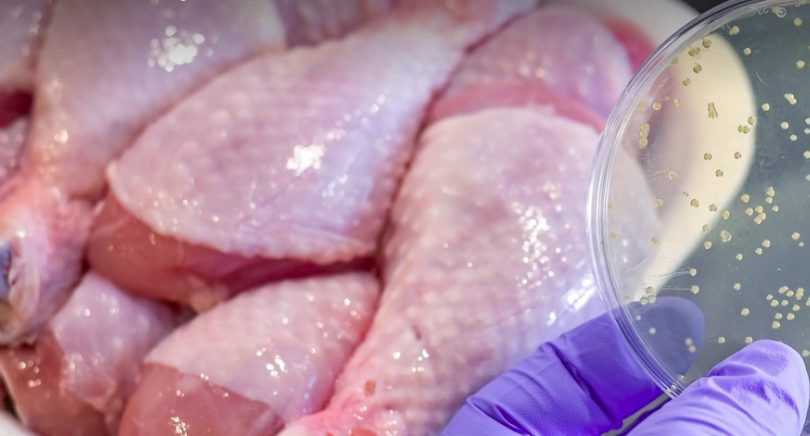
The Centers for Disease Control and Prevention is tracking a multi-state outbreak of Salmonella infection tied to backyard poultry, with dozens of confirmed cases and growing concern that the actual spread may be underreported.
Health officials say at least 34 infections have been identified across 13 states, including Florida, Illinois, Indiana, Kentucky, and Ohio, among others. Of those cases, 13 individuals have required hospitalization. However, the CDC cautions that the real number of infections is likely higher, as many people recover without seeking medical care or undergoing testing.
Interviews conducted with 29 of the infected individuals revealed that nearly 80% had direct contact with backyard poultry such as chickens or ducks. In addition, 14 people reported acquiring their birds earlier this year, suggesting recent exposure may be a contributing factor. All confirmed cases tested positive for Salmonella between late February and the end of March.
Investigators have not identified a single supplier responsible for the outbreak, making it more difficult to contain. As a result, officials are urging anyone who owns or interacts with backyard poultry to adopt strict hygiene practices to reduce the risk of infection.
The CDC emphasizes that even healthy-looking birds can carry Salmonella bacteria. The germs can easily spread through contact with the animals, their eggs, or areas where they live. People may become infected if they touch contaminated surfaces and then inadvertently transfer bacteria to their mouth or food.
To lower the risk, the agency advises thorough handwashing after handling poultry or their environment. It also recommends avoiding close contact behaviors such as kissing or holding birds near the face. Equipment, clothing, and footwear used around poultry should be cleaned regularly, and eating or drinking near the animals should be avoided.
Egg handling also requires caution. The CDC suggests collecting eggs frequently to prevent contamination and discarding any that are cracked. Instead of washing eggs—which can allow bacteria to enter through the shell—owners should gently clean them using a dry method such as brushing. Refrigeration is also encouraged to slow bacterial growth.
As the investigation continues, health officials stress the importance of awareness and prevention, particularly for those raising poultry at home. With cases spread across multiple states and no single source identified, vigilance remains key to limiting further infections.
Backyard poultry has grown in popularity, but this outbreak highlights the hidden risks that come with it. Simple hygiene practices can go a long way in preventing illness, yet they’re often overlooked. This situation is a reminder that even small, everyday interactions with animals can carry broader public health implications.
References & Photos: Allrecipes, The Hill
#CDC, #Salmonella, #PublicHealth, #FoodSafety, #BackyardChickens, #HealthAlert, #Infection, #DiseasePrevention, #Outbreak, #Hygiene