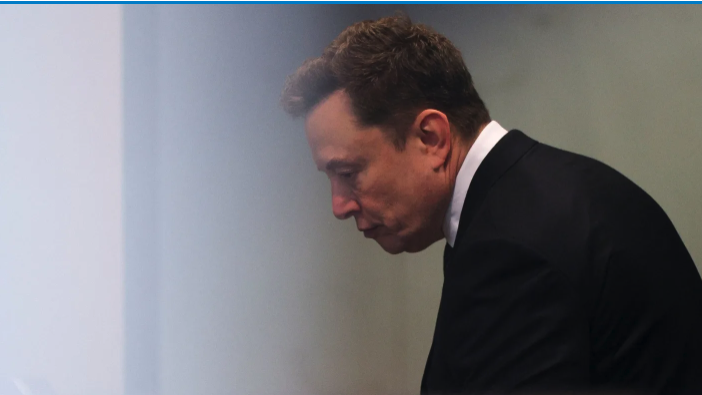
The Tesla CEO argues the AI company shifted toward profit at the expense of its original goal to serve humanity.
Elon Musk took the witness stand Tuesday in a closely watched trial that could reshape the future of OpenAI, accusing its leadership of straying from its founding mission as a nonprofit organization dedicated to advancing artificial intelligence for the public good.
Musk, one of OpenAI’s original co-founders, is suing the company along with CEO Sam Altman and President Greg Brockman, alleging they turned what was intended to be a charitable initiative into a profit-driven enterprise. He warned that allowing such a transformation could undermine broader trust in charitable organizations.
During his testimony, Musk described OpenAI as a project he helped conceive and build from the ground up, stating he played a central role in naming the organization, recruiting talent, and providing early financial support. He emphasized that the venture was deliberately established as a nonprofit rather than a commercial entity.
Attorneys for OpenAI pushed back strongly against Musk’s claims. In opening arguments, the company’s legal team argued that Musk himself had advocated for a for-profit structure during OpenAI’s early development and pursued control of the organization. They suggested his lawsuit followed his failure to secure a leadership role.
The defense also pointed to the company’s 2019 decision to create a for-profit arm as a necessary step to remain competitive in a rapidly evolving AI landscape. According to OpenAI’s lawyers, the shift enabled the organization to secure the resources and talent needed to rival competitors such as Google’s DeepMind.
Musk’s legal team countered that the transition opened the door to substantial financial gain, including major investments from Microsoft, which has committed billions of dollars to the company in recent years. They argued OpenAI’s leadership prioritized financial growth over its original mission.
Musk is seeking $150 billion in damages, with any recovery directed toward OpenAI’s charitable arm. He is also asking the court to return the organization to nonprofit status and remove Altman and Brockman from leadership roles.
The trial has already drawn attention to the personalities and tensions that shaped OpenAI’s evolution. Before proceedings began, U.S. District Judge Yvonne Gonzalez Rogers cautioned Musk about his social media activity after he posted critical remarks about Altman online. Musk agreed to limit such posts during the trial, and Altman made a similar commitment.
Beyond the courtroom drama, the case carries broader implications for the artificial intelligence industry. OpenAI, now valued at hundreds of billions of dollars, is reportedly exploring a potential initial public offering. The legal dispute could complicate those plans by raising questions about governance and strategic direction.
The proceedings also revisit the origins of OpenAI, which Musk and Altman co-founded in 2015 with the aim of ensuring AI development benefits humanity. Musk testified that his concerns about AI safety were a driving force behind the organization’s creation, citing earlier discussions with figures in the tech industry about the risks of unchecked development.
OpenAI, meanwhile, continues to face intense competition from rivals such as Anthropic while investing heavily in infrastructure and computing power. Musk’s own AI venture, xAI, remains a smaller player by comparison and has been integrated into his broader business ventures.
“If we make it acceptable to strip value from a charity, it undermines the entire system of charitable giving,” Musk told the court, outlining his concerns.
“I created this as a nonprofit on purpose—it was never meant to benefit individuals,” he added during testimony.
As testimony continues, the case is expected to delve deeper into the origins and transformation of one of the world’s most influential AI companies. The outcome could not only determine OpenAI’s future structure but also shape how emerging technologies are governed in the years ahead.
This trial goes beyond a personal dispute—it raises fundamental questions about how innovation should be balanced with accountability. As AI becomes more central to society, the tension between public benefit and private profit is likely to grow. The outcome here could set an important precedent.
References & Pic: CNBC, USA Today, The New York Times, Mother
#ElonMusk, #OpenAI, #ArtificialIntelligence, #TechNews, #SamAltman, #Microsoft, #AI, #Innovation, #StartupNews, #SiliconValley