The U.S. rejects Iran’s proposal to reopen the Strait of Hormuz first, keeping pressure on Tehran as military options remain under consideration.
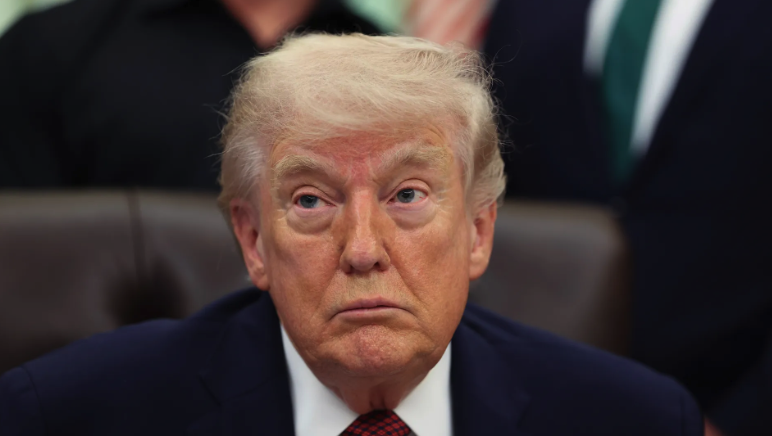
President Donald Trump said he will continue enforcing a naval blockade against Iran until the country agrees to a deal addressing U.S. concerns over its nuclear program, escalating tensions as diplomatic efforts remain uncertain.
In an interview with Axios, Trump made clear that the blockade remains his primary strategy for pressuring Tehran, dismissing a proposal from Iran that would have prioritized reopening the Strait of Hormuz while postponing negotiations over nuclear issues.
The president argued that lifting the blockade without firm commitments on nuclear restrictions would undermine U.S. objectives. “The blockade is somewhat more effective than the bombing,” Trump said, emphasizing his belief that economic pressure is producing results.
Behind the scenes, military planning continues. According to sources familiar with the matter, U.S. Central Commandhas developed contingency plans for a rapid and forceful series of strikes targeting Iranian infrastructure. The goal would be to break the current stalemate and compel Iran to return to negotiations with greater flexibility.
Despite those preparations, Trump has not authorized any military action. Officials say he continues to view the blockade as the most effective leverage, though he has not ruled out the use of force if diplomacy fails. During a recent phone interview, he declined to discuss specific military options.
Trump also claimed that Iran is feeling the economic strain, particularly in its energy sector. He suggested that the country’s inability to export oil is placing significant pressure on its infrastructure, though some analysts question the immediacy of that threat.
Iran, however, has signaled it may respond if the blockade continues. A senior security official, cited by state-affiliated media outlet Press TV, warned that the U.S. action could soon trigger “practical and unprecedented” retaliation. The official said Iran’s military has exercised restraint so far but indicated that patience may be running out.
The standoff reflects broader disagreements over negotiation strategy. While the U.S. insists that nuclear concessions must come first, Iran has sought a phased approach, beginning with reopening key shipping routes and easing economic pressure.
Trump maintained that talks are still ongoing and suggested progress has been made, though he stressed that any agreement must guarantee Iran will not develop nuclear weapons. Without that assurance, he said, no deal would be possible.
“The blockade is more effective than bombing. They’re under tremendous pressure, and it’s only going to increase,” Trump said in the Axios interview.
“They want to reach an agreement because they don’t want the blockade to continue,” he added, reiterating that lifting it without nuclear guarantees is not an option.
With both sides holding firm, the situation remains highly volatile. The continued blockade, coupled with the possibility of military escalation, underscores the fragile balance between diplomacy and confrontation. Whether negotiations can bridge the divide over nuclear policy will likely determine the next phase of U.S.-Iran relations.
This approach highlights a classic pressure-versus-diplomacy dilemma. While economic measures can force negotiations, they can also harden positions if pushed too far. The coming weeks will reveal whether sustained pressure brings compromise—or deeper escalation.
References: Axios, WSJ, The Washington Post.
#DonaldTrump, #Iran, #StraitOfHormuz, #USIran, #Geopolitics, #MiddleEast, #NuclearDeal, #Sanctions, #GlobalOil, #ForeignPolicy