Missed deadline for federal rescue raises concerns over jobs, travel costs, and industry competition.
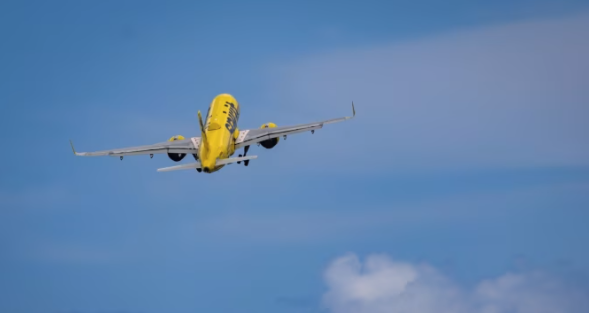
WEST PALM BEACH, Fla. — Spirit Airlines is facing a potential shutdown after failing to secure a crucial federal bailout by Friday, leaving the budget carrier’s future increasingly uncertain. With no agreement reached and preparations reportedly underway for a possible suspension of operations, the situation threatens thousands of jobs and could disrupt low-cost travel across the United States.
The Trump administration confirmed it had presented a “final proposal” to support the struggling airline through a taxpayer-funded takeover, but negotiations failed to produce an agreement before the deadline. According to a person familiar with the matter, contingency plans were already being made for a shutdown as early as Saturday, though neither the airline nor federal officials provided immediate public updates.
Despite the uncertainty, Spirit continued to reassure passengers that flights were operating as scheduled late Friday. However, signs of strain were evident: the airline canceled 52 flights that day, a sharp increase compared to just three cancellations the previous day.
Spirit’s financial challenges have been mounting for years, worsened by rising fuel costs linked to the ongoing Iran conflict. The airline has struggled to recover from pandemic-era losses, reporting more than $2.5 billion in losses since 2020. It entered bankruptcy proceedings twice in less than two years—first in November 2024 and again in August 2025—carrying billions in debt despite holding slightly higher asset valuations.
Supporters of federal intervention, including labor unions representing pilots, flight attendants, and ground staff, warn that a shutdown could have widespread consequences. Approximately 17,000 employees could lose their jobs, according to statements made during legal proceedings. In addition, analysts caution that the disappearance of a major low-cost carrier could reduce competition in the airline industry, potentially driving up ticket prices.
The impact would likely be felt most by budget-conscious travelers and leisure passengers, particularly in markets where Spirit has a strong presence, such as Las Vegas and major Florida destinations like Fort Lauderdale and Orlando. Recent data highlights the airline’s declining performance, with passenger numbers dropping significantly compared to the previous year and seat capacity reduced by roughly half since mid-2024.
President Donald Trump said the administration had extended a “final proposal” aimed at preventing the airline’s collapse.
Spirit’s legal representative, Marshall Huebner, warned that roughly 17,000 jobs could be affected if operations cease.
As negotiations stall and financial pressures mount, Spirit Airlines stands at a critical crossroads. Whether a last-minute agreement emerges or operations come to a halt, the outcome will likely have lasting repercussions for employees, travelers, and the broader airline industry.
Spirit’s situation underscores how vulnerable budget airlines can be to economic shocks and rising costs. The potential loss of a major low-cost carrier could reshape travel affordability in the U.S. In the coming days, the focus will be on whether policymakers step in—or allow market forces to take their course.
Sources: AP
#SpiritAirlines, #AviationNews, #AirlineCrisis, #TravelNews, #USAirlines, #BreakingNews, #Economy, #Flights, #BudgetTravel, #JobLosses