Officials signal no immediate plans to reduce U.S. forces in Europe despite rising political tensions and prolonged conflict.
WASHINGTON — Senior U.S. defense officials are pushing back against suggestions of a significant troop reduction in Europe, even as tensions escalate between the Trump administration and key allies over the ongoing war and military strategy. The debate comes amid continued fighting, unresolved diplomatic rifts, and questions over the legality and duration of the conflict.
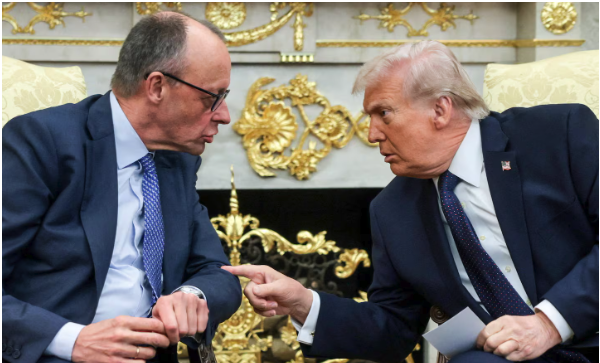
A senior Pentagon official criticized recent remarks from German leadership as “inappropriate and unhelpful,” signaling growing frustration within the administration. The official told Reuters that President Donald Trump’s response reflects broader concerns about what the White House sees as unproductive commentary from allies.
Despite speculation about a potential drawdown, internal Pentagon reviews have not recommended major reductions in U.S. troop levels across Europe. According to Politico, defense planners were not preparing for a large-scale withdrawal, and congressional aides familiar with the discussions said the idea had not been part of official strategy.
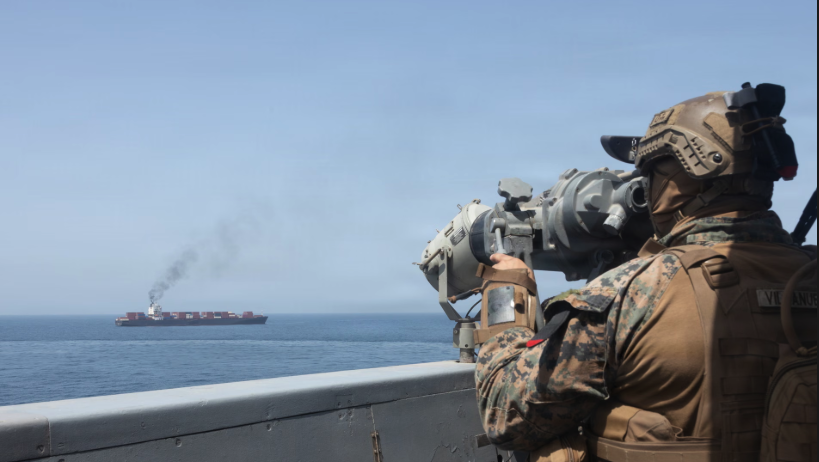
The uncertainty comes as the conflict, which Trump initially predicted would conclude within weeks, continues with no clear resolution. Early in the war, the administration urged European nations to support U.S. operations, including efforts to reopen the strategically vital Strait of Hormuz after its closure disrupted global oil flows. However, European governments have largely declined to participate, citing a lack of prior consultation and concerns over escalation.
Tensions over burden-sharing have deepened longstanding disagreements within the NATO alliance. The administration has repeatedly expressed frustration over what it views as insufficient support from partners, while critics argue that Washington’s unilateral actions have strained relationships and undermined cooperation.
At the same time, discussions about reducing U.S. forces in Germany have resurfaced as part of a broader policy shift. Trump has long advocated for limiting American involvement in European defense, even raising the possibility of scaling back commitments to NATO. Analysts warn that such moves could weaken transatlantic stability and alter the balance of security in the region.
Adding to the controversy, the administration recently passed a 60-day deadline requiring congressional authorization for the conflict. In a letter to congressional leaders, Trump argued that the deadline does not apply due to a current ceasefire, claiming hostilities have effectively ended—even though U.S. troops remain deployed. Lawmakers, currently in recess, have yet to respond formally.
Approximately 35,000 U.S. troops are stationed in Germany, the largest American military presence in Europe. While reports suggest a possible reduction of around 2,000 troops, any such move would likely unfold over six to twelve months if approved.
A Pentagon official told Reuters: “The president is responding appropriately to remarks that are counterproductive and do not help advance our shared objectives.”
Another official added that Trump has been “clear about his frustration” with allies’ rhetoric and their limited support for U.S. operations.
As the conflict drags on and diplomatic divisions widen, the future of U.S. military presence in Europe remains uncertain. While defense officials insist no immediate changes are planned, political pressure, alliance tensions, and evolving battlefield realities continue to shape the debate over America’s role abroad.
This situation highlights a growing disconnect between U.S. strategy and allied expectations. While Washington seeks greater support, its unilateral approach appears to be complicating cooperation. The coming months will be critical in determining whether diplomacy can stabilize these relationships—or deepen the divide.
References:
- The Washington Post
- The Daily Beast
#USMilitary, #Pentagon, #Trump, #NATO, #Germany, #ForeignPolicy, #Defense, #GlobalSecurity, #Geopolitics, #MilitaryNews